

Achieving clear, radiant skin often feels like a delicate balance between effective cleansing and maintaining a healthy skin barrier. One of the most significant breakthroughs in at-home skincare has been the introduction of the blackhead remover with heat. By integrating a heating element directly into the device, these tools aim to replicate the professional steaming phase of a spa facial, softening the hardened oil inside your pores to make extraction more efficient and less traumatic for the skin.
However, as you explore the world of high-performance beauty tools, you will notice that the heating tips themselves are crafted from different materials. Whether it is a sleek stainless steel plate, a smooth ceramic surface, or a premium sapphire tip, the material choice significantly impacts how heat is transferred to your skin. Understanding the technical nuances of these materials is essential for choosing a device that aligns with your specific skin sensitivity and aesthetic goals.
The Science of Heat in Pore Cleansing
Before diving into material specifics, it is vital to understand why heat is such a transformative addition to your skincare routine. Blackheads, or open comedones, are essentially plugs of sebum, dead skin cells, and debris that have oxidized upon contact with air. These plugs can become quite firm, making them difficult to remove with standard suction or manual pressure.
Applying localized heat to the skin serves two primary purposes. First, it causes the sebum to soften and become more fluid. Think of it like butter; when cold, it is rigid, but when warmed, it melts. Softening the sebum allows the suction of a blackhead remover to pull the impurities out with much less force, reducing the risk of bruising or broken capillaries. Second, heat helps to relax the follicle openings, allowing for a deeper and more thorough cleanse.
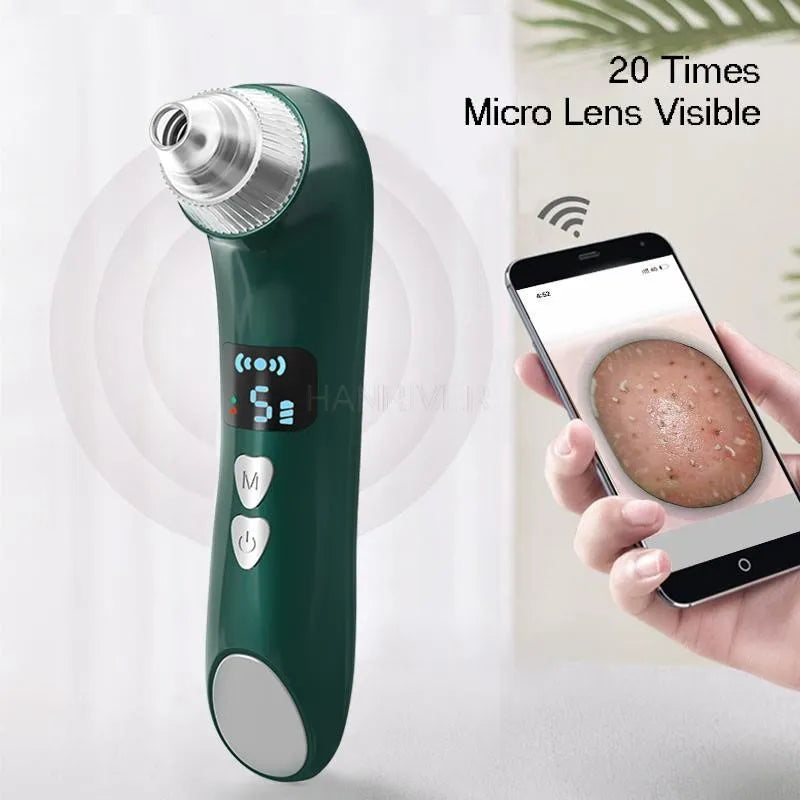
Stainless Steel: The High-Conductivity Choice
Stainless steel is perhaps the most common material found in professional-grade beauty instruments. Known for its durability and hygiene, it is a staple for a reason. When used as a heating tip in a blackhead remover with heat, stainless steel offers distinct advantages and a few considerations for those with reactive skin.
Technical performance: Stainless steel has high thermal conductivity and high thermal effusivity. This means that once the device is powered on, the metal tip reaches its target temperature almost instantly. It also transfers that heat to the skin very efficiently.
Benefits:
- Rapid heating: You do not have to wait long for the tool to be ready for use.
- Hygiene: Stainless steel is non-porous and incredibly easy to sanitize with alcohol, making it ideal for devices that come into contact with bacteria-prone areas.
- Durability: It is resistant to corrosion and mechanical wear, ensuring your device lasts for years.
Considerations: Because stainless steel transfers heat so quickly, it can feel more intense or sharp on the skin. If the device's temperature control is not precisely calibrated, stainless steel tips can create hot spots that might irritate sensitive complexions. It is a material best suited for those who want a quick, efficient prep phase and have relatively resilient skin.
Ceramic: The Gentle, Uniform Experience
For many beauty enthusiasts, ceramic heating tips represent the gold standard for comfort and safety. Often made from high-tech materials like zirconia or alumina, these ceramic plates offer a different thermal experience than metal.
Technical performance: Ceramics generally have lower thermal effusivity than metals. While they might take a few extra seconds to reach their peak temperature, they hold that heat with incredible stability. More importantly, the heat transfer to your skin is slower and more diffuse.
Benefits:
- Gentle warmth: The heat feels softer and more consistent, reducing the risk of a sharp stinging sensation.
- Biocompatibility: Ceramics are inert and hypoallergenic, making them an excellent choice for individuals with metal allergies or highly reactive skin.
- Uniform distribution: Ceramics provide a very even heat across the entire surface of the tip, eliminating the risk of localized hot spots.
Considerations: If you are someone who values a quick skincare routine, you might find the slightly slower ramp-up time of ceramic a minor inconvenience. However, for those with sensitive skin or conditions like rosacea, the gentle, uniform nature of a ceramic tip provides a much-needed safety margin during deep cleansing.

Sapphire: The Premium, Low-Friction Alternative
Sapphire is increasingly appearing in high-end beauty devices, often associated with its scratch resistance and premium feel. While frequently used for cooling in IPL devices, sapphire glass can also be utilized as a heating surface to provide a luxurious and effective treatment.
Technical performance: Sapphire sits in a unique middle ground. It has better thermal conductivity than many ceramics but maintains a lower effusivity than stainless steel. This allows it to heat up relatively quickly while still feeling smooth and controlled against the skin.
Benefits:
- Extremely smooth: Sapphire is one of the hardest and smoothest materials available. This reduces friction as you glide the device across your face, minimizing mechanical irritation.
- Scratch resistance: The surface remains pristine over time, ensuring that no microscopic scratches can harbor bacteria or cause abrasion.
- Aesthetic appeal: Devices with sapphire tips often have a more luxurious weight and appearance.
Considerations: The primary downside to sapphire is cost. Devices featuring genuine sapphire tips are often positioned at a higher price point. While the performance is exceptional, the difference in extraction efficacy compared to high-quality ceramic is often subtle rather than transformative.
Thermal Conductivity and Skin Safety: Finding the Balance
When choosing your blackhead remover with heat, the most critical technical detail is the target temperature and how well the device maintains it. Most clinical research suggests that the sweet spot for skin-safe pore softening is between 40°C and 45°C.
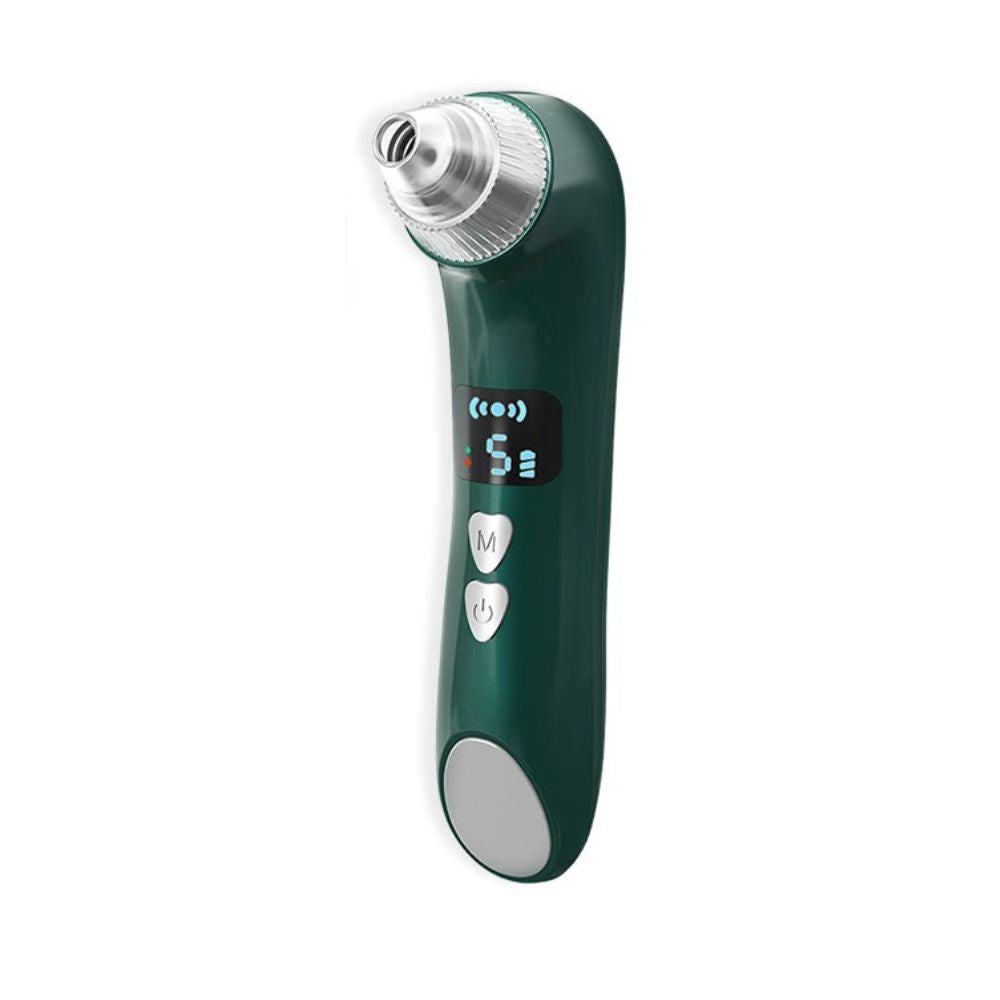
Temperatures below 40°C may not effectively soften the sebum, while temperatures exceeding 45°C for prolonged periods can damage the skin barrier and cause thermal injury. A high-quality tool like the Heating Pore Cleanser from TheAurelia is designed with multiple heating modes to ensure you can find the perfect level of warmth for your specific skin type.
Regardless of the material, the device must have an internal thermostat to prevent overheating. Stainless steel requires more sophisticated electronics to manage its rapid heat transfer, whereas ceramic has a natural thermal inertia that provides an added layer of inherent safety.
Comparative Analysis of Heating Materials
To help you decide which material is right for your vanity, let's look at a direct comparison across key performance metrics:
| Feature | Stainless Steel | Ceramic | Sapphire |
|---|---|---|---|
| Heat-up Speed | Very Fast | Moderate | Fast |
| Heat Perception | Intense / Sharp | Soft / Gentle | Smooth / Constant |
| Skin Sensitivity | Best for resilient skin | Ideal for sensitive skin | Great for all skin types |
| Durability | Extremely high | High (but can chip) | Excellent (scratch-proof) |
| Hygiene | Excellent | Excellent | Excellent |
If you are just beginning your journey with beauty devices, a ceramic or sapphire tip offers a more forgiving experience. If you are an experienced user who wants a robust, professional-feeling tool that is ready to go in seconds, stainless steel is a fantastic choice.
How to Safely Use Your Blackhead Remover with Heat
To get the most out of your device and ensure your skin remains radiant and irritation-free, follow these professional tips:
- Cleanse first: Always start with a clean face to prevent pushing surface dirt deeper into your pores.
- Test the temperature: Before applying the tool to your face, test the heat on the inside of your wrist.
- Pre-heat the area: Use the heating tip on the target area for 2 to 3 minutes. This is the secret to a painless extraction.
- Keep it moving: When using the suction function, never stay on one spot for more than 2 or 3 seconds. This prevents the "hickey" effect or bruising.
- Hydrate and soothe: After extraction, follow up with a cooling toner or a serum containing hyaluronic acid to calm the skin.
For a deeper dive into avoiding common mistakes, you might find our guide on 7 mistakes you're making with your blackhead remover incredibly helpful. Understanding the nuances of your tool is the first step toward salon-quality results at home.
Choosing Your Ideal Device
Your choice between ceramic, sapphire, and stainless steel ultimately depends on your skin's unique needs and your personal preferences for how beauty tools feel. If you have delicate skin that tends to flush easily, the gentle thermal profile of a ceramic tip will likely be your favorite. If you value a tool that feels like a piece of high-end medical equipment and delivers rapid heat, stainless steel will not disappoint.
At TheAurelia, we believe that high-performance skincare should be accessible and safe. Our Heating Pore Cleanser combines advanced heating technology with customizable suction levels, giving you the power to tailor your treatment. By softening the skin before extraction, you can achieve that sought-after porcelain finish without the redness or trauma often associated with manual extractions.
We invite you to explore our full collection of facial rejuvenation tools to find the perfect addition to your self-care routine. Whether you are looking to clear your complexion or firm your skin with our IPL face-lifting devices, we are here to help you glow from the inside out.


