

Achieving a radiant, youthful complexion often feels like a journey through endless serums and treatments. In recent years, the rise of the red light therapy mask has changed the landscape of home skincare, offering salon-quality results from the comfort of your bedroom. However, as you explore these advanced devices, you might encounter terms like red light and near-infrared light.
While they are often mentioned in the same breath, these wavelengths serve distinct purposes in the quest for skin repair. Understanding the nuanced difference between the 630-660nm red spectrum and the 810-850nm near-infrared spectrum is essential for anyone looking to optimize their skincare routine. This guide will walk you through the science of light, helping you choose the best technology for your unique needs.
The Power of the Red Spectrum: 630-660nm
When you see the vibrant crimson glow of a red light therapy mask, you are witnessing the visible red light spectrum. Specifically, wavelengths between 630nm and 660nm are considered the sweet spot for surface-level skin rejuvenation. This range is perfectly calibrated to reach the epidermis and the upper layers of the dermis.
At this depth, the primary targets are the fibroblasts, which are the cells responsible for producing collagen and elastin. When these cells absorb red light, they experience a boost in cellular energy, technically known as ATP (adenosine triphosphate). This surge in energy allows your skin to repair itself more efficiently, leading to a visible reduction in fine lines and a more refined skin texture.
Clinical studies have shown that consistent exposure to 660nm red light can increase collagen density by up to 400 percent over several weeks. It is an ideal wavelength for those focusing on anti-aging, evening out skin tone, and strengthening the skin barrier. Because it sits within the visible spectrum, it is the most recognized and sought-after feature in modern beauty devices.
Diving Deeper: The Role of Near-Infrared Light (810-850nm)
Near-infrared light, or NIR, exists just beyond the visible spectrum. While you cannot see it with the naked eye, its impact on the body is profound. Wavelengths in the 810-850nm range penetrate much deeper than red light, reaching into the deep dermis, subcutaneous tissues, and even muscle layers.

The strength of near-infrared light lies in its ability to manage deep-seated inflammation and improve microcirculation. By reaching the deeper vascular endothelium, NIR promotes better blood flow, ensuring that vital nutrients and oxygen are delivered to your skin cells. This deep-tissue interaction is what makes it so effective for more significant skin repair and systemic recovery.
While red light focuses on the beauty of the surface, near-infrared works on the foundation. It is particularly beneficial for those dealing with persistent redness, deeper scarring, or those who want to enhance the overall health and resilience of their facial tissue. When used correctly, it provides a supportive environment for the more superficial repair work done by red light.
Wavelength Comparison: Red Light vs. Near-Infrared
To help you visualize how these technologies complement each other, consider the primary differences in their application and results. Both are safe, non-invasive, and effective, but they excel in different areas of skincare.
| Feature | Red Light (630-660nm) | Near-Infrared (810-850nm) |
|---|---|---|
| Visibility | Visible vibrant red | Invisible to the human eye |
| Penetration | Epidermis & upper dermis | Deep dermis & subcutaneous tissue |
| Primary Target | Fibroblasts & keratinocytes | Deep vasculature & muscle tissue |
| Core Benefits | Collagen, fine lines, texture | Circulation, inflammation, deep repair |
| Best For | Anti-aging & surface radiance | Healing & structural support |
As you can see, the two wavelengths target different layers of the biological landscape. Choosing a device that understands this distinction is the first step toward a professional-grade at-home experience.
The Synergistic Effect: Why a Multi-Spectrum Approach Wins
While both red and near-infrared light are powerful on their own, the most impressive results come from combining them. This is known as the synergistic effect. When your skin is treated with both spectra simultaneously, you are addressing the signs of aging and damage at every level of the skin's architecture.
For instance, while the 660nm red light is busy stimulating collagen production at the surface to smooth out wrinkles, the 850nm near-infrared light is reducing inflammation and boosting circulation below. This dual action accelerates the healing process and ensures that the new collagen being formed is supported by healthy, well-oxygenated tissue.
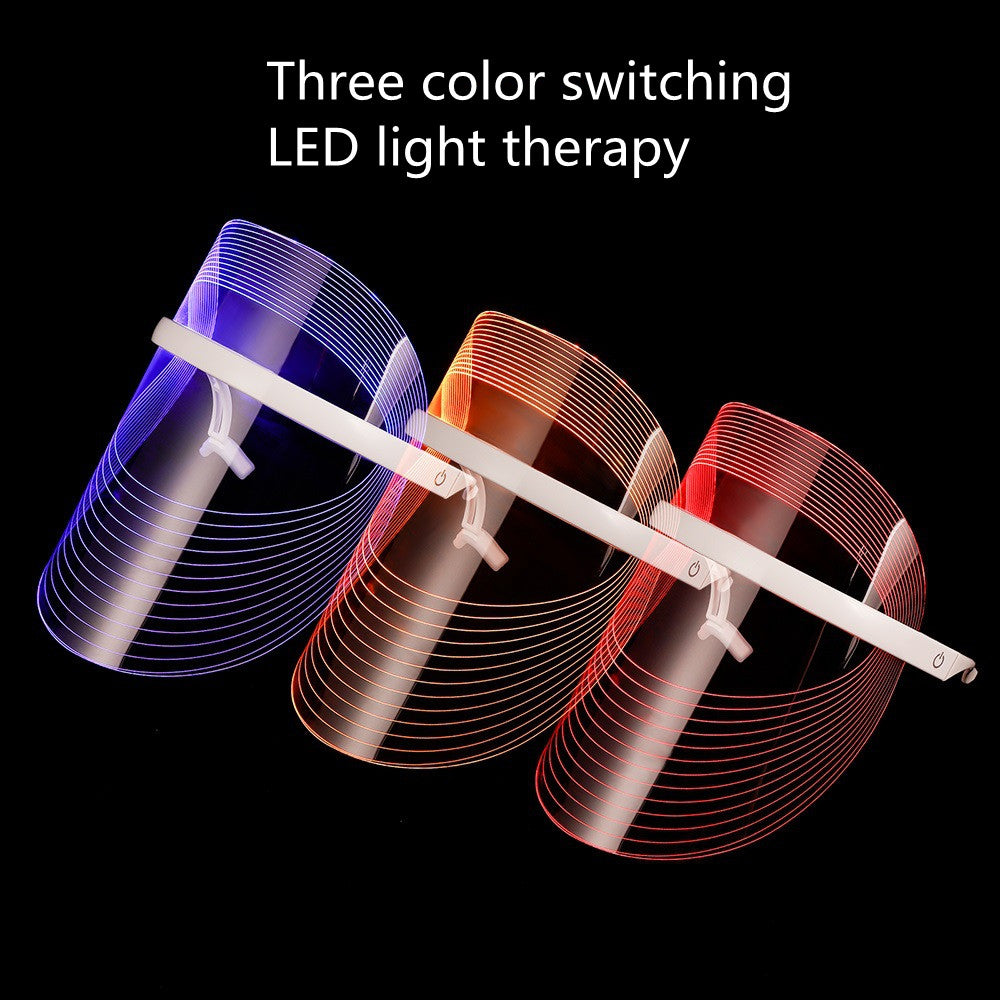
Many high-performance devices, such as the Rechargeable LED Beauty Mask, incorporate multiple light settings to take advantage of this science. By utilizing a seven-color photon therapy approach, these tools allow you to customize your treatment based on your skin's daily needs, whether that is calming redness or boosting radiance.
Clinical Insights and Visible Results
The efficacy of these wavelengths is not just anecdotal; it is backed by decades of clinical research. Peer-reviewed studies consistently show that LED therapy is one of the safest and most effective ways to treat photoaged skin. In trials where participants used red light therapy masks for 10 to 20 minutes daily, significant improvements in skin elasticity and complexion were noted in as little as eight weeks.
One landmark study published in Photomedicine and Laser Surgery highlighted that the combination of red and near-infrared light led to a marked increase in skin smoothness and collagen density. Participants reported a more youthful appearance and a reduction in the "roughness" of their skin texture. This clinical foundation is why light therapy has moved from the dermatologist's office directly into our daily self-care routines.
When using these devices at home, it is important to remember that consistency is the key to success. Light therapy is a cumulative treatment, meaning the benefits build over time as your cells undergo their natural renewal cycles. Most experts recommend a consistent schedule of three to five sessions per week to maintain a radiant glow.
Elevating Your Routine with TheAurelia
At TheAurelia, we believe that professional skincare results should be accessible to everyone. Our LED Beauty Mask is designed with this philosophy in mind, featuring advanced photon therapy technology that brings salon-quality care into your home. It is lightweight, rechargeable, and designed to fit seamlessly into your busy lifestyle.
Whether you are looking to target the fine lines around your eyes with red light or soothe sensitive areas with our orange and blue light settings, our tools provide the versatility you need. We are committed to providing high-performance beauty instruments that deliver visible, lasting results. Your skin deserves the best that technology has to offer, and we are here to provide it.
Explore our full collection of facial rejuvenation tools and discover how easy it is to transform your complexion. From blackhead removers with heating technology to our signature LED masks, we have everything you need to create your perfect at-home spa experience. We invite you to embrace the glow and start your journey toward more radiant skin today.


