

The pursuit of youthful, resilient skin often leads us to expensive serums and invasive procedures. However, the secret to lasting skin rejuvenation might just be found in the physics of light. Among the various colors of the rainbow, the deep red light at a specific wavelength of 660nm has emerged as a powerhouse for cellular health.
When you use a high-quality red light therapy mask, you are not just illuminating your skin; you are engaging in a sophisticated biological conversation with your cells. At the heart of this conversation is the fibroblast, the cellular architect of your skin. By understanding how 660nm wavelengths interact with these vital cells, we can unlock the door to professional-grade results from the comfort of our own homes.
The Foundation of Youth: Understanding the Dermis and Fibroblasts
To appreciate the impact of light therapy, we must first look beneath the surface. Your skin is composed of several layers, but the dermis is where the magic of anti-aging happens. This thick layer of living tissue contains capillaries, nerve endings, and most importantly, the extracellular matrix.
The primary residents of the dermis are fibroblasts. These specialized cells are responsible for producing collagen and elastin: the structural proteins that keep your skin plump, firm, and elastic. As we age, fibroblast activity naturally declines, leading to a decrease in collagen density. This is when fine lines, wrinkles, and sagging skin begin to appear.
The Science of 660nm: Why This Wavelength Matters
Not all red light is created equal. The spectrum of visible red light ranges from approximately 620nm to 750nm. Within this range, the 660nm wavelength is often referred to as the sweet spot for skin rejuvenation. This is because light at 660nm possesses the perfect balance of energy and penetration depth.
Unlike shorter wavelengths like blue light, which primarily affect the surface of the skin to combat bacteria, 660nm light can penetrate roughly 3 to 5 millimeters into the tissue. This allows it to reach the dermis where those crucial fibroblasts reside.

Cellular Respiration and ATP Production
When 660nm light hits the mitochondria: the powerhouse of the cell: within a fibroblast, it triggers a process known as photobiomodulation. The light is absorbed by a protein called cytochrome c oxidase. This absorption kickstarts the production of adenosine triphosphate (ATP), the universal energy currency of the cell.
With more ATP at their disposal, fibroblasts become more efficient. They have the energy required to synthesize new proteins and repair damaged ones. This is essentially like giving your skin cells a high-performance upgrade, allowing them to function with the vigor of younger cells.
Boosting Collagen Density: Clinical Evidence
The benefits of 660nm light are not just theoretical; they are backed by rigorous clinical data. Research has shown that consistent exposure to 660nm red light can lead to a significant increase in type I procollagen, which is the precursor to the collagen that gives skin its structural integrity.
In one notable clinical study, participants who underwent 12 treatments with 660nm LED light showed remarkable results. Over 90% of individuals reported a reduction in wrinkle depth and surface roughness. Furthermore, biochemical analysis of skin tissue revealed a 31% increase in type I procollagen levels compared to untreated controls.
Perhaps even more impressively, 660nm light helps to inhibit the production of matrix metalloproteinases (MMPs). These are enzymes that naturally break down collagen. By increasing collagen synthesis while simultaneously reducing its degradation (by as much as 18% for MMP-1), 660nm light provides a dual-action approach to maintaining a youthful complexion.
Red Light (660nm) vs. Near-Infrared (850nm)
When exploring the world of light therapy, you will often encounter near-infrared (NIR) light, typically at the 850nm wavelength. While both are beneficial, they serve slightly different purposes in your skincare routine.
- 660nm Red Light: This wavelength is visible to the eye and is the primary tool for skin rejuvenation. It targets the epidermis and the full depth of the dermis, making it ideal for treating fine lines, skin texture, and minor scarring.
- 850nm Near-Infrared Light: This wavelength is invisible and penetrates much deeper: up to 3 to 5 centimeters. While it can support deeper collagen remodeling, its primary benefits lie in reducing deep-seated inflammation, improving circulation, and aiding in muscle recovery.
For most beauty enthusiasts, a red light therapy mask that prioritizes the 660nm wavelength is the gold standard. Many advanced devices, like those found in TheAurelia's Facial Rejuvenation collection, use a combination of these wavelengths to provide a comprehensive treatment that addresses both surface beauty and deeper tissue health.
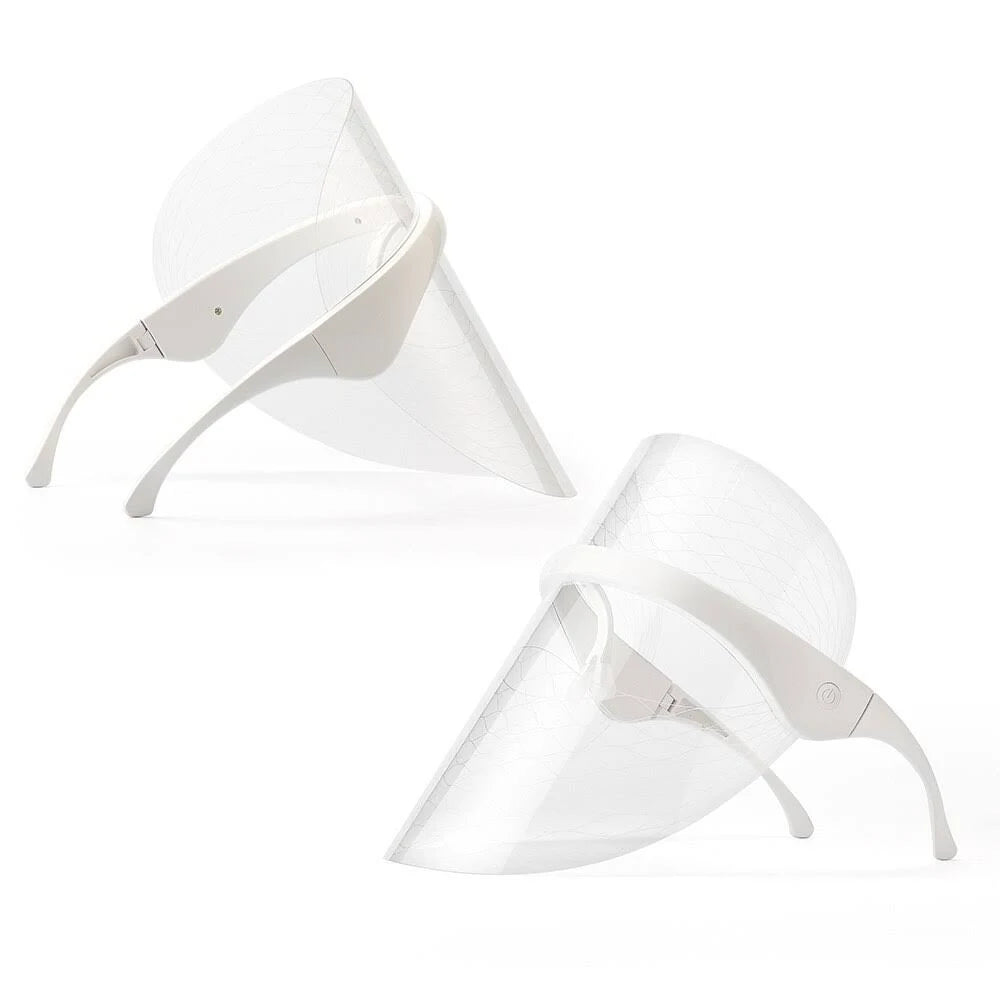
Synergistic Effects in a Beauty Mask
While 660nm is the star of the show for collagen, the most effective routines often leverage multiple colors of light to address a variety of concerns. This is why multi-color photon therapy is so popular in modern skincare devices.
For instance, the LED Beauty Mask from TheAurelia offers a spectrum of colors. While the red light works on your collagen density, blue light can be used to target acne-causing bacteria, and orange light can help brighten the complexion and reduce dullness. This multi-layered approach ensures that your skin is being supported from every possible angle.
How to Use a Red Light Therapy Mask for Optimal Results
To see the best results from your light therapy sessions, consistency is key. Think of it like a workout for your cells; one session is great, but the real transformation happens over time.
- Cleanse Your Skin: Always start with a clean, dry face. Any makeup or heavy creams can reflect the light and prevent it from penetrating deeply into the dermis.
- Duration: Most clinical studies suggest treatments of 10 to 20 minutes. It is better to have shorter, more frequent sessions than one very long session once a week.
- Frequency: Aim for 3 to 5 times per week. After the initial 12-week period, you can move to a maintenance routine of 2 to 3 times per week.
- Post-Treatment Care: Follow up your session with your favorite serums. Because light therapy increases circulation, your skin is primed to better absorb topical treatments like hyaluronic acid or vitamin C.
If you are just starting out, you might find our guide on 10 reasons your red light therapy mask isn't working helpful for troubleshooting your routine and ensuring you are getting the most out of your device.
Why Choose TheAurelia's Photon Therapy Solutions?
At TheAurelia, we believe that high-performance skincare should be accessible to everyone. Our devices are designed to bring salon-quality technology into your home without the salon price tag. Our Light Therapy Photon Skin Rejuvenation spectrometer and masks use precision-engineered LEDs to ensure that you are receiving the exact wavelengths needed to stimulate your fibroblasts effectively.
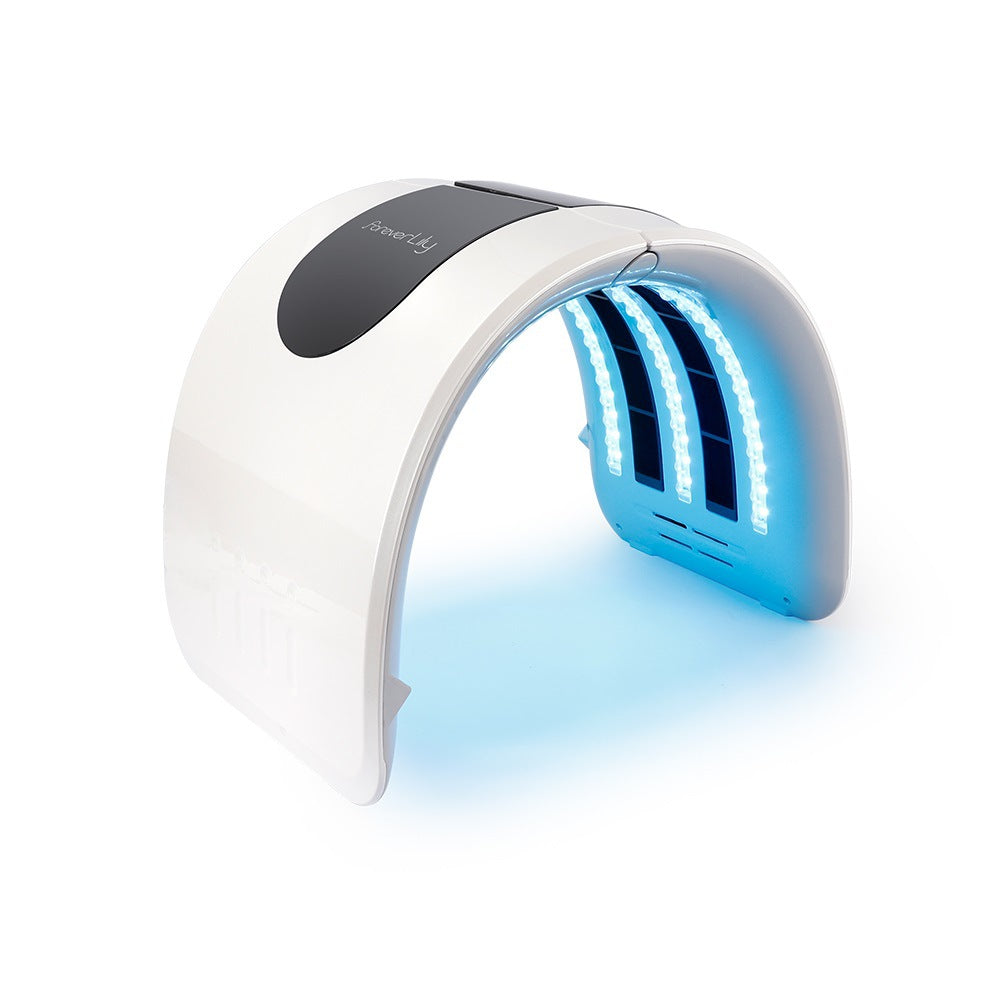
Our customers report clearer skin, a more even complexion, and a visible reduction in fine lines within just a few weeks of consistent use. With our 30-day money-back guarantee and free shipping on orders over $99, you can embark on your journey to radiant skin with complete confidence.
Radiant Skin from Within
True beauty starts at the cellular level. By harnessing the power of 660nm red light, you are giving your skin the energy it needs to rebuild itself from the inside out. It is a gentle, non-invasive, and scientifically proven way to boost collagen, reduce wrinkles, and achieve that coveted lit-from-within glow.

Whether you are looking to reverse the signs of aging or simply want to maintain your skin's youthful vitality, incorporating a red light therapy mask into your self-care routine is a choice your future self will thank you for.
We invite you to explore our full range of anti-aging solutions and discover the perfect tool for your unique skincare journey. Your most radiant skin is just a wavelength away.


