

Achieving a perfectly smooth, clear complexion is a journey that often leads us to a common enemy: the stubborn blackhead. These tiny, dark spots: formed when pores become clogged with oil and dead skin cells: can feel impossible to banish. In your quest for clarity, you have likely encountered two of the most popular at-home solutions: the traditional pore strip and the modern pore vacuum.
While both promise a satisfying extraction, they operate on very different principles and deliver varying results for your skin health. Choosing the right tool requires an understanding of how they interact with your delicate facial tissue and whether they provide a long-term solution or a mere temporary fix. In this guide, we will explore the technical differences, safety profiles, and clinical perspectives of both methods to help you decide which belongs in your skincare sanctuary.
The Traditional Approach: How Pore Strips Work
Pore strips have been a bathroom cabinet staple for decades. They rely on a strong adhesive that, when moistened and applied to the nose or chin, bonds with the top layer of skin and the hardened plugs of sebum within your pores. Once the strip dries, you peel it away, ideally pulling the blackheads out along with it.
The Immediate Satisfaction of Adhesion
The primary appeal of pore strips is the immediate, visible evidence of extraction. Seeing the debris on the strip after use provides a sense of accomplishment. However, this method is primarily mechanical and can be quite aggressive. Because the adhesive does not distinguish between a blackhead and your healthy skin cells, it often strips away the natural oils and the outermost layer of the skin barrier, known as the stratum corneum.
Limitations and Potential Risks
While effective for a quick cosmetic cleanup before an event, pore strips rarely reach the root of a deep-seated blackhead. Instead, they often pull out sebaceous filaments: normal, healthy structures that help move oil to the skin's surface. These filaments usually reappear within days. Furthermore, the pulling motion can cause micro-tears, redness, and irritation, particularly if you have sensitive skin or use topical retinoids that thin the skin.

The Modern Alternative: The Rise of the Pore Vacuum
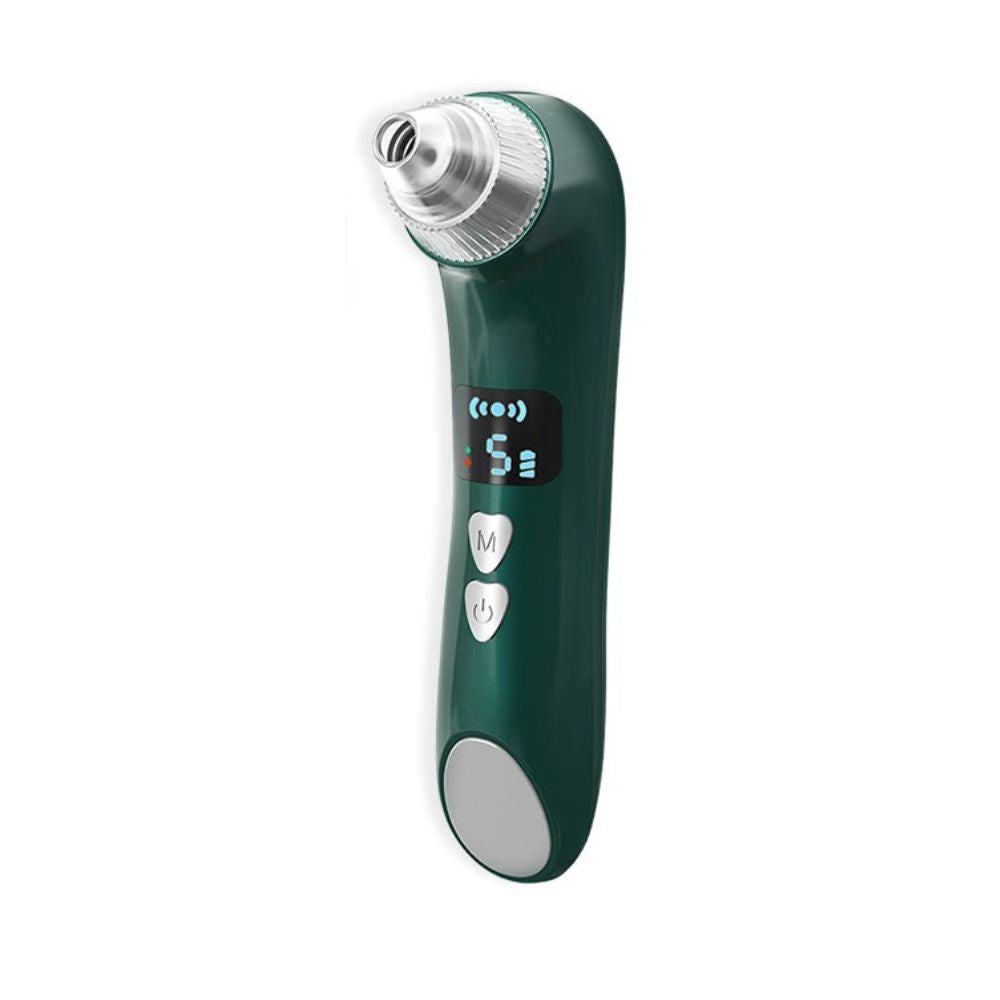
In recent years, the pore vacuum has emerged as a high-tech alternative to adhesive strips. Instead of relying on a physical bond, these devices use controlled suction to lift debris, excess oil, and impurities from the pore. Professional-grade versions of these tools are often used in clinical settings, but advanced at-home models, like the Heating Pore Cleansing Apparatus, have brought this technology to your vanity.
Technical Performance and Suction Power
A high-quality pore vacuum is measured by its suction intensity, typically calculated in kilopascals (KPA). Effective devices generally offer adjustable settings, often reaching up to 54KPA. This range allows you to customize the treatment based on your skin's sensitivity and the stubbornness of the clogs.
Unlike the one-size-fits-all nature of a strip, a pore vacuum allows for targeted treatment. By using different nozzle sizes and shapes, you can navigate the contours of your face more precisely. Some advanced models also incorporate ultrasonic vibration technology, which helps loosen the bond between the debris and the pore wall before suction begins.
The Advantage of Thermal Technology
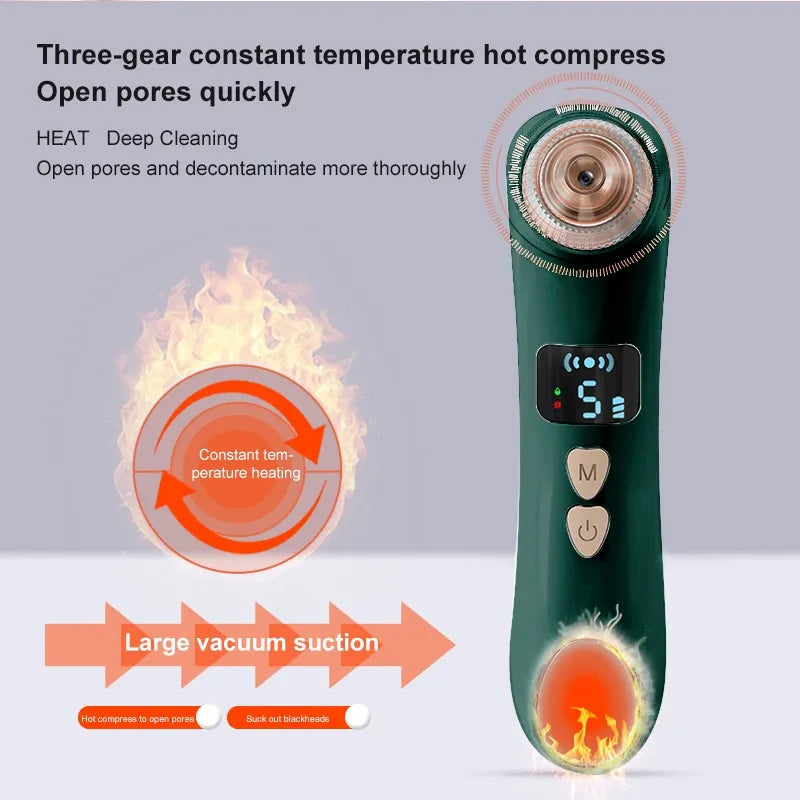
One of the significant drawbacks of traditional extraction is trying to pull debris from cold, tight pores. Modern pore vacuums often include a heating function or a hot compress mode. Applying heat to the skin for a few minutes before extraction helps soften the hardened sebum and encourages the pores to relax. This preparation makes the extraction process significantly more efficient and reduces the amount of suction force required, thereby minimizing the risk of bruising.
Direct Comparison: Effectiveness and Skin Safety
When deciding between a pore vacuum and pore strips, it is essential to look at the long-term impact on your skin. A 2023 dermatological study indicated that while both methods offer similar short-term clearance, calibrated vacuums: when used correctly: resulted in lower post-procedure redness and less disruption to the skin barrier compared to adhesive strips.
Effectiveness on Stubborn Blackheads
- Pore Strips: Best for very superficial clogs and sebaceous filaments. They often miss deeply rooted blackheads because the adhesive cannot reach into the depth of the pore.
- Pore Vacuum: More effective for lifting surface oil and loosening deeper clogs, especially when combined with heat. The suction creates a vacuum that pulls from within the pore rather than just the surface.
Potential for Skin Damage
Both tools carry risks if misused. Pore strips can lead to dryness, irritation, and localized peeling. Conversely, the most common risk with a pore vacuum is bruising or telangiectasia (broken capillaries) if the device is held in one spot for too long or used on a setting that is too high for your skin type.
Impact on Pore Size
It is a common myth that you can permanently shrink your pores. Pore size is largely determined by genetics and age. However, keeping pores clear prevents them from becoming stretched out by accumulated debris. Both methods provide a temporary reduction in the appearance of pore size by removing the dark plugs that make them more visible.

How to Use a Pore Vacuum Safely and Effectively
If you choose to integrate a pore vacuum into your routine, following a proper protocol is vital to ensure you achieve radiant results without unwanted irritation.
Step 1: Preparation is Key
Never use a pore vacuum on dry, cold skin. Start by thoroughly cleansing your face to remove surface makeup and dirt. Use the heating function on your Pore Cleansing Device or apply a warm towel for 3 to 5 minutes. This softens the sebum and makes extraction much gentler.
Step 2: Choose the Correct Setting
Always start on the lowest suction level. Most devices offer multiple modes, such as oily, neutral, and dry skin settings. Test the suction on your arm first to get a feel for the pressure.
Step 3: Maintain Constant Motion
The most important rule of pore vacuuming is to never park the device in one spot. Keep the nozzle moving across your skin in a slow, continuous motion. If you stay in one area for more than two seconds, you risk creating a "hickey" or bruise.
Step 4: Post-Extraction Care
After your session, splash your face with cool water to soothe the skin. Follow up with a gentle, non-comedogenic moisturizer or a soothing serum. Avoid using strong chemical exfoliants like salicylic acid or retinoids immediately after vacuuming, as your skin will be more sensitive.
Long-Term Strategies for Clear Pores
While tools like the Heating Pore Cleanser are excellent for maintenance, they should be part of a holistic skincare strategy. To keep blackheads from returning, consider these professional tips:
- Salicylic Acid (BHA): This oil-soluble acid penetrates deep into pores to dissolve clogs before they harden into blackheads.
- Retinoids: These Vitamin A derivatives normalize skin cell turnover, preventing the buildup of dead skin that contributes to clogs.
- Consistency: Use your extraction tools no more than once a week. Over-extracting can lead to increased oil production as your skin tries to compensate for the perceived dryness.
Conclusion: Which Should You Choose?
The winner between the pore vacuum and the pore strip depends on your skin's needs and your commitment to a proper routine. Pore strips offer a quick, inexpensive fix for occasional use, but they can be harsh and lack the precision of modern technology.
A high-quality pore vacuum, while requiring a slightly higher initial investment, offers a more customizable and technically advanced approach. With features like adjustable suction levels, heating modes, and interchangeable heads, it allows you to treat your skin with the care it deserves. By choosing a device that prioritizes both extraction and skin safety, you are investing in a clearer, more radiant future for your complexion.
We invite you to explore our full range of high-performance beauty tools and discover how professional technology can transform your at-home self-care ritual.


