

Living with rosacea often feels like a constant battle with your own skin. Whether it is a sudden flare-up after a spicy meal or the persistent, diffuse redness that never seems to fade, the search for relief can be exhausting. Many conventional treatments involve harsh chemicals that may further irritate your delicate barrier, leaving you looking for a more holistic, gentle approach.
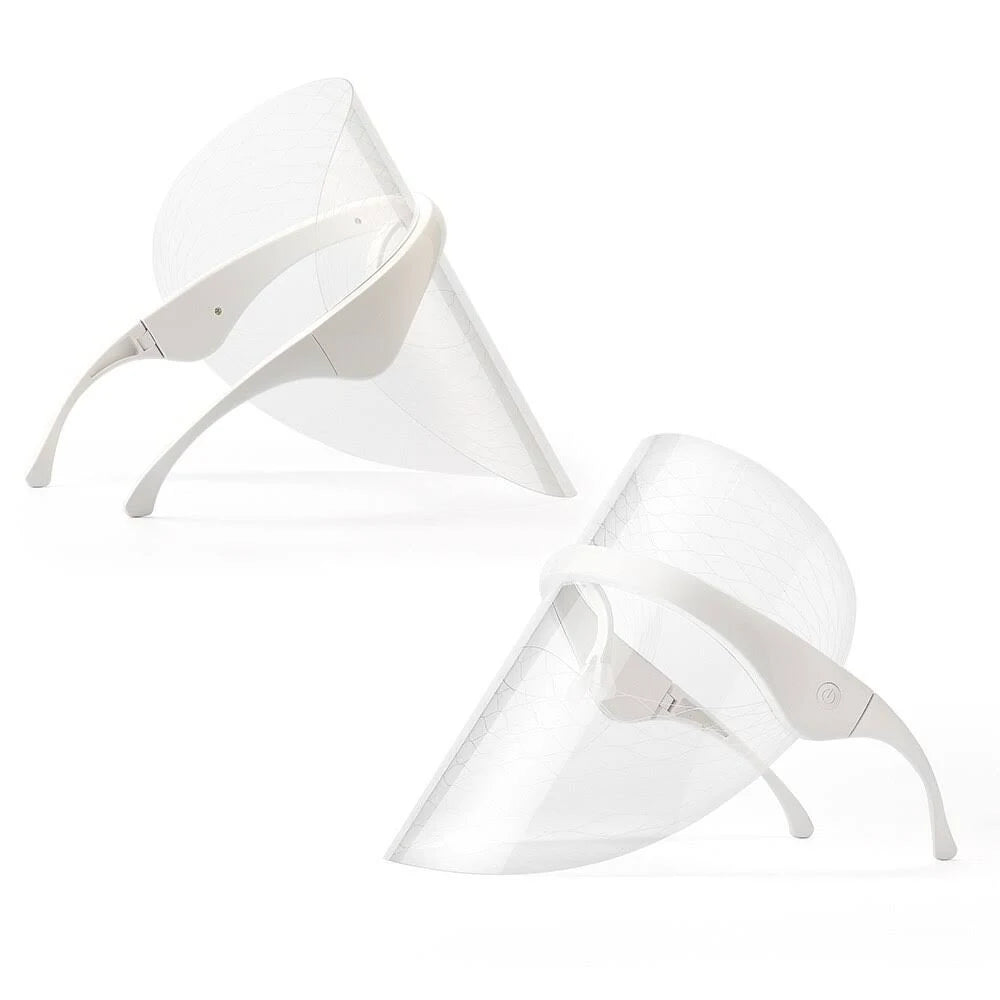
In recent years, the led face mask has emerged as a beacon of hope for those managing sensitive and reactive skin. Originally a secret of high-end dermatology clinics, this advanced photon therapy is now available for you to enjoy in the comfort of your own home. By using specific wavelengths of light, these devices can penetrate the skin to calm inflammation and reduce the appearance of visible blood vessels without the use of heat or abrasive ingredients.
Understanding which light colors are most effective for your specific concerns is the key to unlocking a clearer, more radiant complexion. In this guide, we will explore the science of light therapy and how yellow, amber, and red wavelengths can specifically benefit rosacea-prone skin.
The Science of Light and Your Skin Barrier
At its core, light therapy, or photobiomodulation, works by sending packets of light energy deep into your skin cells. This energy is absorbed by the mitochondria, the powerhouses of your cells, which then produce more adenosine triphosphate (ATP). When your skin cells have more energy, they can repair themselves more efficiently, reduce inflammatory signals, and strengthen the natural moisture barrier.
For someone with rosacea, this is particularly beneficial because the skin barrier is often compromised and hyper-reactive. By boosting the health of your cells at a fundamental level, an led face mask helps your skin become more resilient against everyday triggers. Unlike lasers, which often rely on heat to cause "controlled damage" to the skin, LED therapy is non-thermal and exceptionally gentle.
Yellow Light (590nm): The Redness Eraser
If your primary concern is visible facial redness or tiny, spider-like veins known as telangiectasia, yellow light is your most powerful ally. Operating at a wavelength of approximately 590nm, yellow light is specifically calibrated to target the vascular system within the skin. It works by modulating microcirculation and inhibiting the formation of new, unnecessary blood vessels, a process known as angiogenesis.
Clinical studies have shown that consistent exposure to 590nm yellow light can reduce facial erythema by around 10% in just a few weeks. By calming the overactive blood vessels that cause flushing, yellow light helps to even out your skin tone and bring a sense of peace to reactive areas. It is also highly effective at speeding up the healing process after other skin treatments, making it a staple for anyone with a sensitive temperament.

Amber and Orange Light: The Gentle Soothers
In many high-quality home devices, such as our Rechargeable LED Beauty Mask, you will find an orange or amber setting. These wavelengths typically sit between 590nm and 620nm, offering a perfect middle ground between yellow and red light. Orange light is specifically designed to soothe swelling and balance the overall tone of the skin.
For rosacea sufferers who experience puffiness along with their redness, the orange light setting can be incredibly restorative. It helps to stimulate the lymphatic system, encouraging the drainage of toxins and reducing the heavy, inflamed feeling that often accompanies a flare-up. This gentle radiance leaves your skin looking refreshed and significantly calmer after just one session.
Red Light (630nm–660nm): The Inflammation Fighter
While yellow light handles the surface redness, red light goes deeper to tackle the underlying inflammation. Red light therapy, typically ranging from 630nm to 660nm, is one of the most researched wavelengths in the beauty industry. Its primary role is to reduce the production of pro-inflammatory cytokines while supporting the repair of the dermal layer.
For those with the papulopustular subtype of rosacea: characterized by small bumps and breakouts: red light can be particularly helpful. It supports the skin’s natural healing cycle, helping to fade the marks left behind by past flares and improving the overall texture of the skin. By strengthening the skin barrier, red light ensures that your face is better equipped to handle external stressors like wind, heat, or pollution.
How to Safely Use an LED Mask with Rosacea
When you have reactive skin, the "more is better" philosophy rarely applies. Consistency and gentleness are your best friends when incorporating a new device into your routine. Here are our top tips for getting the best results from your led face mask without triggering a flare:
- Start Low and Slow: Begin with just 5 to 10 minutes of light therapy two or three times a week. Monitor your skin for 24 hours after each session to ensure it stays calm before gradually increasing the frequency.
- Cleanse Gently First: Always use your mask on a freshly washed, dry face. Use a fragrance-free, non-foaming cleanser like those recommended in our FAQ section to ensure no irritants are trapped against your skin.
- Avoid Heat: While LED lights are naturally cool, some lower-quality masks can generate heat through their electronics. Ensure you choose a high-quality device that remains cool to the touch, as heat is a primary trigger for rosacea.
- Prioritize Eye Protection: Always use the built-in eye shields or provided goggles. Protecting your eyes is imperative during any light therapy session.
- Post-Session Hydration: After your session, apply a soothing serum or a barrier-repairing moisturizer containing ingredients like ceramides or hyaluronic acid to lock in the benefits.
Choosing Your Perfect Device
At TheAurelia, we understand that every skin journey is unique. That is why we offer versatile tools designed to meet the needs of even the most sensitive users. Our Seven-Color Beauty Mask provides a comprehensive range of wavelengths, allowing you to switch between yellow, red, and orange as your skin’s needs change throughout the month.
For those who prefer a more streamlined, portable experience, the Rechargeable LED Beauty Mask offers targeted red, blue, and orange settings. While blue light is often used for acne, we recommend rosacea users stick primarily to the red and orange/yellow settings to ensure the most soothing experience possible.

Conclusion: A Brighter Path Forward
Managing rosacea is about finding balance and giving your skin the tools it needs to defend itself. An led face mask is not just a beauty tool; it is an investment in your skin’s long-term health and your own confidence. By harnessing the power of yellow and red light, you can finally move away from the cycle of cover-up and move toward a naturally calm, radiant glow.
We invite you to explore our full collection of high-performance beauty tools and discover how advanced photon technology can transform your daily self-care ritual. Your journey to clearer, more comfortable skin starts with a single, soothing light.


